Physical Address
304 North Cardinal St.
Dorchester Center, MA 02124
Physical Address
304 North Cardinal St.
Dorchester Center, MA 02124

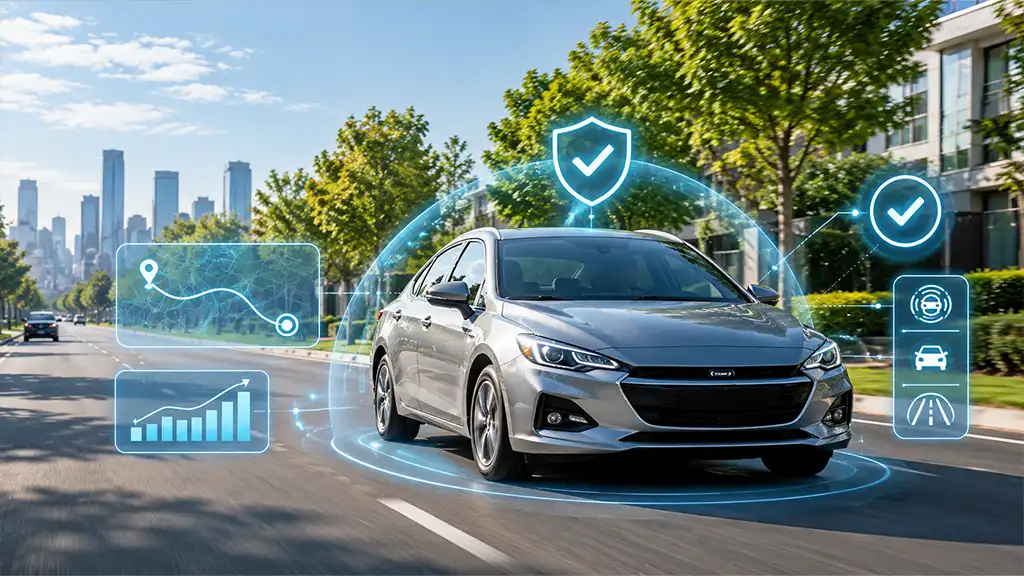
Car insurance premiums have traditionally been calculated using factors such as driving history, vehicle type, location, mileage, age, and other information permitted under state insurance rules. Usage-based car insurance takes a more individualized approach by allowing an insurer to consider how a vehicle is actually driven.
Known as usage-based insurance, or UBI, this approach generally relies on telematics technology. Depending on the insurer and program, driving information may come from a smartphone app, a device installed in the vehicle, or technology already incorporated into the car. The data can include mileage, braking, acceleration, cornering, travel times, and other characteristics of a driver’s trips.
UBI should not be viewed as an automatic way to get cheaper insurance. Instead, it gives driving behavior a larger role in determining pricing. Someone who drives relatively few miles, avoids aggressive maneuvers, limits phone use, and generally drives smoothly may find the approach appealing. Another driver with a long commute or driving patterns considered higher risk by the insurer could have a different experience.
Usage-based car insurance is a pricing model that incorporates information about how a vehicle is used. You may also encounter terms such as telematics insurance, pay-how-you-drive insurance, or pay-as-you-drive insurance. Although these labels can describe somewhat different arrangements, they share the idea of using actual driving information to create a more individualized assessment of risk.
According to the National Association of Insurance Commissioners, telematics systems can collect information such as miles driven, time of travel, rapid acceleration, hard braking, hard cornering, and location. The specific data collected depends on the insurer, technology used, program design, and applicable state requirements.
A UBI program typically gathers information during trips and uses selected measurements to generate a driving score or another rating measure. Each insurer uses its own methodology, so there is no single telematics score that guarantees a particular premium.
However, many programs encourage smooth and predictable driving. Repeated hard braking, for example, may indicate that a driver frequently follows too closely or reacts late to traffic. Rapid acceleration can be associated with more aggressive driving, while greater mileage means more time spent exposed to road-related risks. Some smartphone-based programs may also detect certain types of phone activity while the vehicle is moving.
The purpose is not necessarily to label individual driving events as good or bad. Instead, insurers can use patterns in the collected information as one component of their pricing process.
The information collected varies between programs, but commonly monitored factors can include:
Drivers should not assume that every measurement shown inside a telematics app directly affects the insurance premium. Some information may be presented simply as feedback intended to help improve driving. Before enrolling, review the program’s terms so you know which measurements actually influence pricing.
UBI may be particularly interesting for people who work remotely, regularly use public transportation, share a household vehicle, or otherwise drive considerably less than average. Traditional insurance applications can rely on estimated annual mileage, whereas telematics gives an insurer an opportunity to observe actual vehicle use.
Mileage is only one part of the picture, however. A person who rarely drives but frequently brakes abruptly may not receive the same result as someone who combines low mileage with smooth driving. Less time behind the wheel can reduce exposure to road risks, but it does not automatically guarantee a lower premium.
The potential insurance savings are not the only possible advantage of telematics. Many programs give participants feedback about their trips, allowing them to identify patterns involving sudden braking, acceleration, or other driving events.
That information can reveal habits that may otherwise go unnoticed. For example, a driver might discover that hard braking repeatedly occurs along the same commute because following distances have become too short. According to research summarized by the Insurance Information Institute, many people participating in telematics programs reported making safety-related changes to the way they drive.
In that sense, the technology can serve as both an insurance-rating tool and a source of personal driving feedback.
The most useful approach is to improve the way you normally drive rather than trying to manipulate an app’s score. Leave enough space between your vehicle and the one ahead so that traffic changes can be handled gradually. Look beyond the vehicle immediately in front of you and anticipate slowing traffic, intersections, and changing road conditions.
Avoid unnecessary bursts of acceleration and keep your phone out of your hands while driving. Where practical, combine several errands into one trip instead of making multiple unnecessary journeys. These habits can potentially support a more favorable telematics profile while also encouraging smoother and safer driving.
It can, depending on the insurer, program, and state. This is an important detail to understand before agreeing to participate. Some UBI programs are primarily structured around discounts, while others may use driving information as part of renewal pricing when the collected data indicates greater risk.
Progressive, for example, explains that its Snapshot program can provide discounts to many participants but may result in a higher rate for riskier driving in applicable circumstances and states. This demonstrates why drivers should read the specific program terms instead of assuming that participation can only reduce their insurance cost.
Participating in UBI generally means sharing more information about your driving with an insurer. That makes privacy an important part of the decision.
Before enrolling, find out:
Privacy requirements and disclosures can differ by jurisdiction. Consumer insurance resources and regulators have identified privacy as an important consideration because telematics systems can potentially create a detailed record of how a vehicle is being used.
Usage-based insurance may appeal to drivers who have relatively low annual mileage, generally smooth driving habits, predictable schedules, limited nighttime driving, and little or no handheld phone use behind the wheel.
It can also suit people who appreciate measurable feedback and are comfortable modifying their driving habits after reviewing that information.
On the other hand, drivers with unpredictable schedules, frequent nighttime travel, very high mileage, several people regularly using the same vehicle, or significant concerns about sharing driving information should examine the program rules more carefully before participating.
The largest advertised discount should not be the only reason to select a telematics program. Before enrolling, find out which behaviors affect your score, whether poor results can increase your rate, how long monitoring continues, and when any savings actually appear.
Also ask how the system handles trips when someone else drives the vehicle and what happens if the app incorrectly records or classifies a trip.
Finally, compare the complete insurance quote rather than the discount percentage alone. A large discount from a higher-priced policy may still leave you paying more than a smaller discount from another insurer. Coverage limits, deductibles, exclusions, claims service, and the final premium all deserve attention.
The insurance coverage itself can be similar, but the pricing process differs. Traditional policies rely heavily on established rating factors, while UBI adds information about actual vehicle use and driving behavior collected through telematics. How heavily that information affects pricing depends on the insurer and applicable state rules.
Not necessarily. Some insurers use smartphone applications, while others rely on devices connected to the vehicle’s diagnostic port, Bluetooth technology, or equipment already integrated into the car. The available option depends on the particular insurer and vehicle.
No. Safe driving can improve the opportunity for savings under some programs, but it does not guarantee a lower premium. The insurer’s scoring formula, existing premium, mileage, policy characteristics, state requirements, and other collected information can all affect the final price.
Not necessarily. A single emergency stop does not automatically determine a driver’s overall profile. Telematics programs generally consider patterns across collected trips. Frequent hard braking, however, may be interpreted as a sign of increased risk depending on the insurer’s methodology.
Some programs collect GPS or other location information, while others collect less detailed data. Drivers should not assume that location information is excluded. Review the privacy notice and program agreement to determine exactly what information will be collected.
Potentially. Someone who works from home may drive substantially fewer miles than a person commuting every day. Lower mileage can make a telematics program attractive, although actual savings depend on the insurer’s pricing system and the driver’s broader profile.
Programs generally have procedures for vehicles used by more than one driver, but the process varies. Smartphone-based systems may require trips to be identified or classified by the appropriate driver. Households with several drivers should understand those procedures before enrolling.
There is no universal duration. Some programs collect information during a defined evaluation period, while others continue gathering data and may use it during future renewal decisions. Read the program terms carefully to determine whether monitoring is temporary or ongoing.
No. Compare the complete insurance package. Liability limits, comprehensive and collision coverage, deductibles, exclusions, claims handling, customer service, and the final premium should all be considered alongside any telematics discount.
Begin with your normal driving habits rather than temporarily changing them to improve an initial score. Consider your annual mileage, commute, nighttime driving, phone habits, and typical road conditions. Then review the insurer’s telematics rules and compare the resulting quote with conventional insurance policies offering similar coverage.
Usage-based car insurance allows actual driving behavior to become part of the pricing equation. It may appeal to lower-mileage drivers and people with consistent, smooth driving habits, but the potential savings should be weighed against privacy, monitoring rules, and the possibility of rate changes. Compare the entire policy, understand exactly what the insurer measures, and use telematics feedback as an opportunity to develop safer driving habits rather than focusing only on the advertised discount.